Most corporate events are well organized.
The venue works. The production runs smoothly. People network politely, attend the sessions, post a few photos and head back to work the next day.
And yet, many of these events are forgotten almost immediately.
Not because something went wrong. But because nothing meaningful actually happened.
One of the biggest shifts happening in the events industry right now has very little to do with technology, production or scale.
It has to do with human behavior.
People no longer engage with experiences the same way they did even a few years ago.
Attention spans are shorter. Audiences are overstimulated. Teams are more digitally connected but often less emotionally connected. And after years of virtual meetings and transactional interactions, people are looking for something far more difficult to create:
Real connection.
This is why some events feel alive , while others simply feel scheduled.
The difference is rarely budget.
It is usually intention.
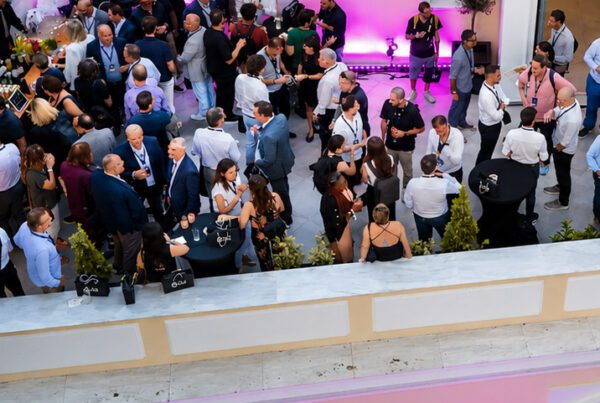
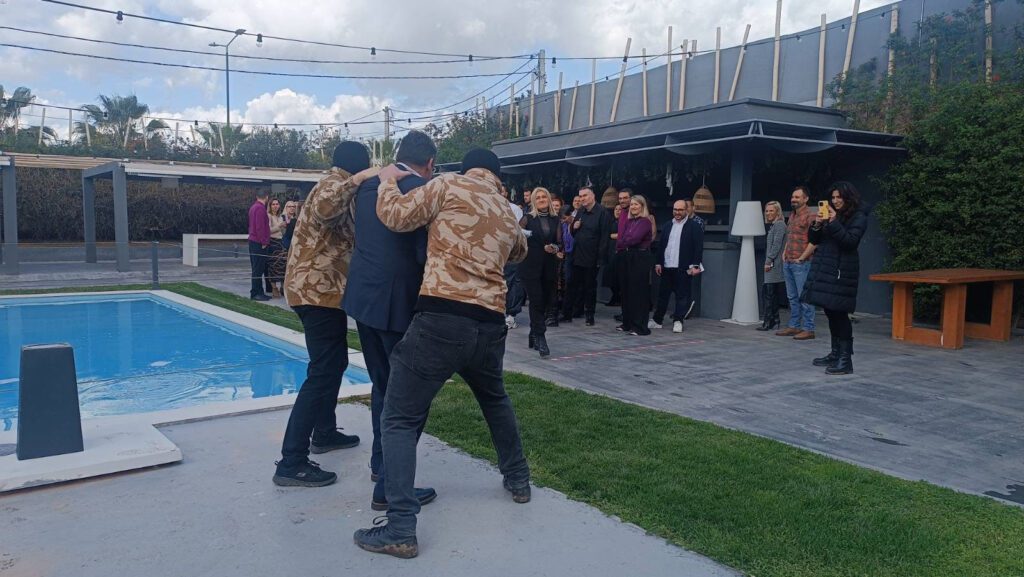
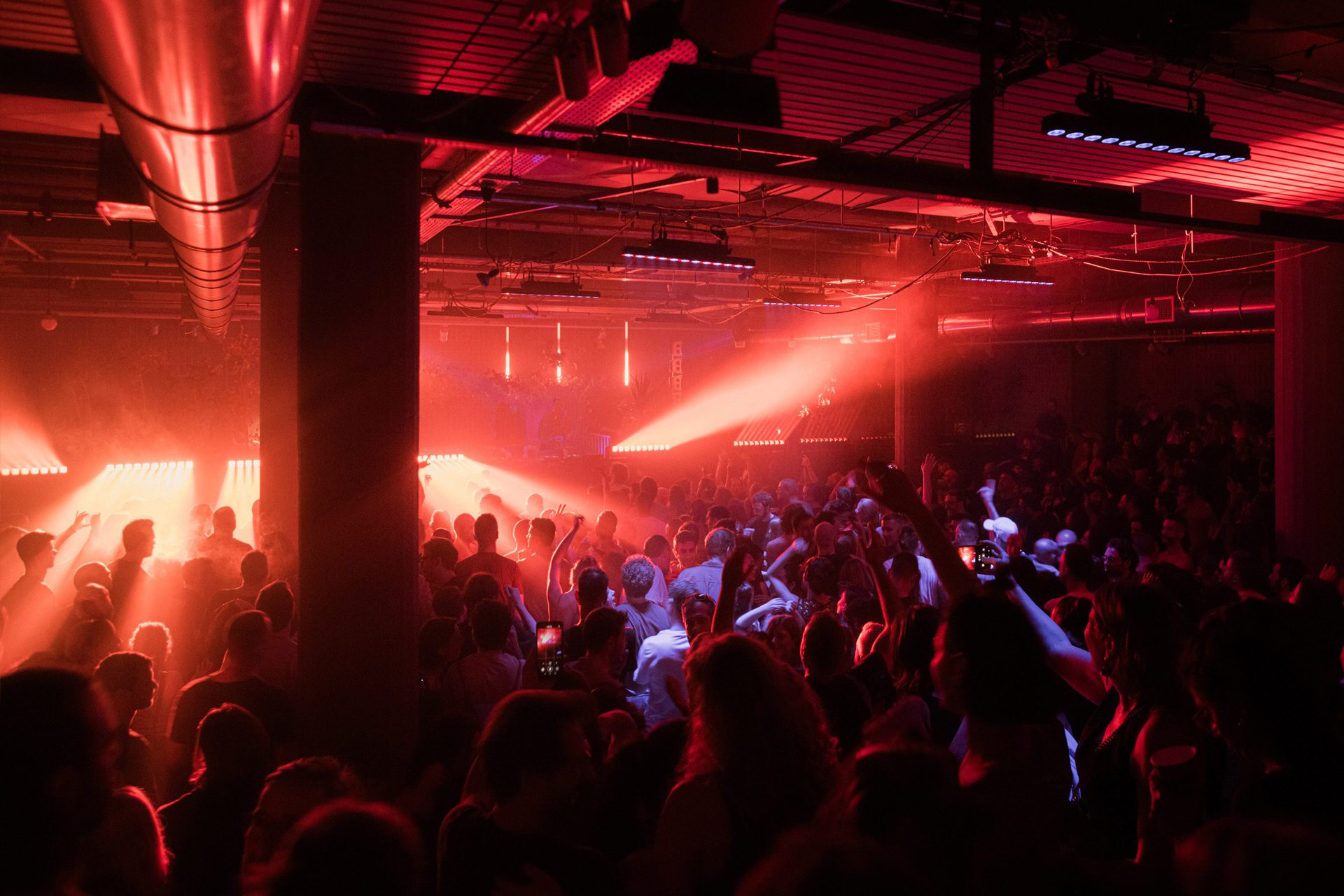
The most memorable experiences are often built around small but very human details: the flow of conversations, the emotional rhythm of the day, moments of surprise, shared experiences, informal interactions, the energy of the environment, and the feeling that people are participating rather than simply attending.
Interestingly, many companies still approach events primarily through logistics.
Venue. Agenda. Speakers. Production. Timelines.
All important, of course.
But increasingly, the experiences that leave lasting impact are designed more like ecosystems than schedules.
The strongest events create space for:
- interaction instead of passive attendance
- community instead of audiences
- participation instead of observation
- emotion instead of information overload
This is especially visible in leadership retreats, summits and team experiences.
People rarely remember every presentation. They remember how the experience made them feel. They remember the conversations they had late at night. The unexpected moments. The sense of belonging. The energy in the room.
And perhaps that is where experiential strategy becomes most interesting.
Not in making events bigger. But in making them more human.
As audiences continue to evolve, the future of events will likely belong to experiences that create genuine connection, not simply polished production!